
Best App to Block Unwanted Calls
Anúncios
Unwanted calls can hurt your productivity and daily routine, from aggressive telemarketing to sophisticated phone scams.A block unwanted calls app offers the practical solution you need to regain control of your phone.
Modern technology has transformed the way we protect our devices against phone interference.You no longer have to ignore unknown numbers or answer suspicious calls: the tools available today work intelligently, automatically filtering unwanted contacts and keeping your smartphone free from constant disturbances.
How a Call Blocking App Works
An unwanted call blocking application uses continuously updated databases to identify known numbers such as spam, telemarketing or fraud.The system analyzes each incoming call in real time and determines whether the number needs to be blocked, all of which happens automatically without your intervention.Most of these applications offer different layers of protection, combining number analysis to be maximized, behavior patterns and user feedback to accept.
The mechanism of operation varies according to the type of block chosen.Some applications use a whitelist and block everything that is not in it, while others work as a blacklist, blocking only numbers known as problematics.You have total flexibility to customize which strategy fits best in your route, creating specific rules for different groups of contacts and adjusting the level of restriction as per your need.
Advanced Strategies for Maximum Protection
Optimizing an app to block unwanted calls goes beyond simply enabling default blocking.You can implement advanced strategies that combine multiple layers of protection, making your device virtually unnecessary to phone interference.The key is in understanding how each tool works and configuring it intelligently for your specific situation.
 Callfilter.app
Classification:
”’ think it’S.
4.77
Age Classification:
Free Classification
Author:
Antispam Solutions s. r. o.
Platform:
Android
Price:
Free
▶Download on Google Play
Callfilter.app
Classification:
”’ think it’S.
4.77
Age Classification:
Free Classification
Author:
Antispam Solutions s. r. o.
Platform:
Android
Price:
Free
▶Download on Google Play
A powerful first strategy is to create rules based on suspicious call patterns.Many apps allow you to block calls that arrive at specific times, from private numbers, or from geographic regions that you don’ recognize.If you don’ recognize.If you don’ acknowledge.If you don’, you expect to receive calls from certain areas over or from masked numbers, set up self-block for these situations.This approach significantly reduces the volume of unseen children.
Another advanced strategy involves smart contact segmentation.You can create separate groups for family, co-workers, close friends, and important service providers.For each group, set up separate rules: allow family calls to bypass even unknown numbers, while unidentified numbers that attempt to impersonate banks or carriers are immediately discarded.
Essential Resources Every User Should Know
The best apps to block unwanted calls offer much more than simple blocking. You find features like detailed logs of all blocked contact attempts, allowing you to review patterns and identify coordinated spam campaigns.Some apps display information about the blocked number in real time, showing whether it is a known telemarketer, a number identified as fraud or simply a contact you have marked to block.
The customizable blocklist is critical to your experience. You can add numbers manually, import lists of friends or family you do not want to block, and even sync with your existing contacts. An especially useful feature is number-default blocking: some apps allow you to block all numbers that start with a specific sequence, ideal for eliminating campaigns from telemarketing specific pagers or scammers using the same method.
Instead of just silently blocking, certain apps tell you when calls were blocked, how many were stopped that day, and what the predominant source was. This transparency helps you better understand the type of threat you are receiving and adjust your defense settings accordingly.
Performance and Battery Optimizations
One often overlooked aspect is how an app blocking unwanted calls affects your phone’s performance.You want maximum protection without sacrificing speed or battery life.The best apps use optimized algorithms that consume minimal resources, operating discreetly in the background without significant battery crashes or drains.
To optimize performance, configure the app to run block list checks only at specific intervals instead of continuously. If you work in an office or spend your day at home, adjust the time of spam database updates for periods when you are connected to Wi-Fi. This keeps your lists up to date without consuming mobile data or unnecessary power when you are on the move.
Many modern apps allow you to sync data in economy mode where block list updates are compressed before they are downloaded. You get the same protection with less battery impact. Disable visual notifications for each lock if you don’ use them, keeping only discrete sound alerts.
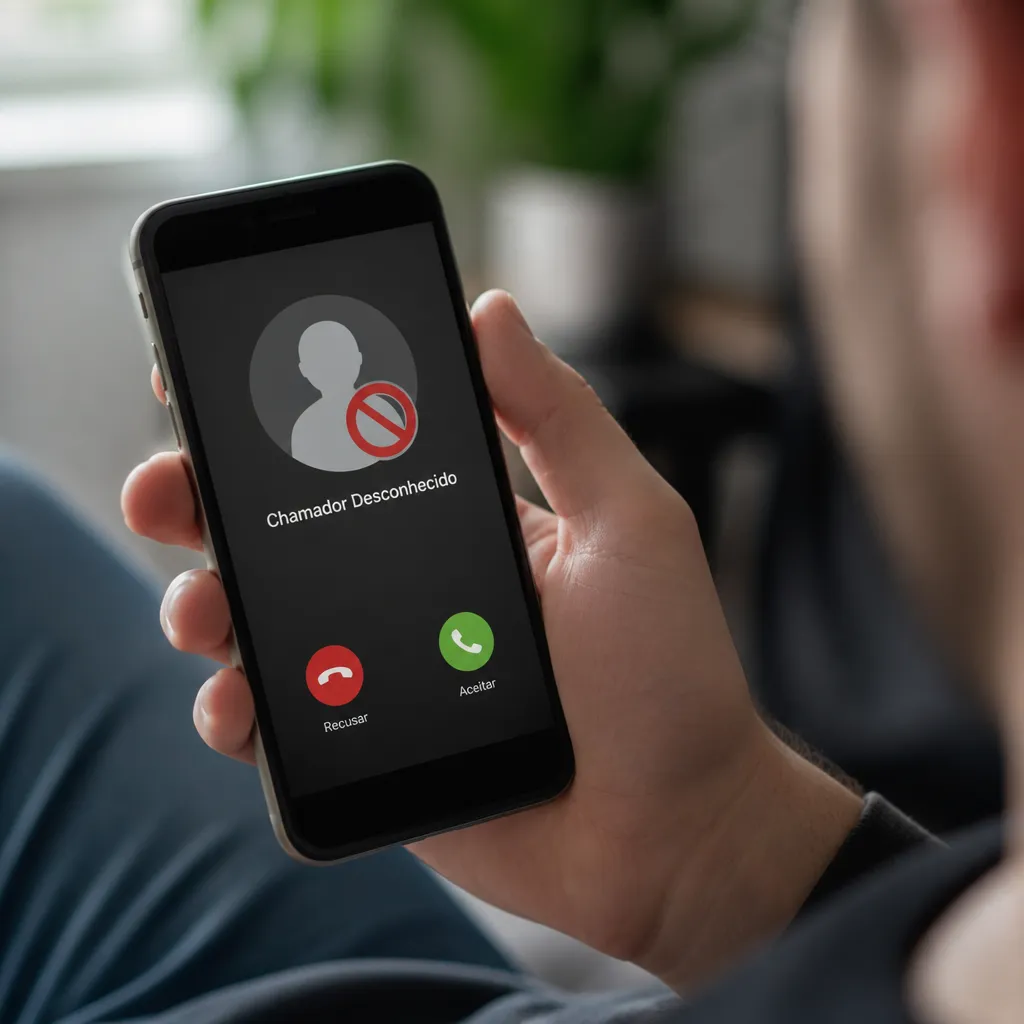
Privacy and Data Security Settings
When you install an app to block unwanted calls, you are granting access to sensitive information like your call log, contacts, and sometimes even location.The security of this data should be your top priority.Carefully examine the requested permissions and choose apps that operate with strict privacy principles, never selling your information to third parties.
An advanced security strategy is to use an application that offers end-to-end encryption for your lock data.This means that even the creators of the application are unable to access your blocked number or call log.Some applications also offer an option of exclusive local synchronization, where the data never leaves your device, but this limits the ability to update globally known spam databases.
You must set up extra authentication to access lock settings. If someone gains access to your phone, an additional password or biometrics prevents them from changing your lock list or disabling protection. Review the assigned permissions regularly and remove access to unnecessary features that the app requests, such as camera access or photos.
Practical Use Cases in the Day to Day
Imagine you getting between five and ten telemarketing calls every day, interrupting meetings, meals and moments of rest. An application to block unwanted calls solves this quickly, identifying sales companies and advertising campaigns automatically. You set up a rule to block all private or unidentified numbers that try to impersonate financial institutions, drastically reducing the volume of disruptions.
Another common scenario is when you are facing a phone scam campaign targeting your number. Scammers use variations of the same number to try contact repeatedly. By using advanced blocking strategies by default, you lock the entire range of suspicious numbers with a single setting, eliminating hundreds of fraud attempts at once. The application learns from these interactions and, in turn, improves the detection of similar events.
Professionals who receive many business calls can create specific rules by time. During working hours, only numbers of known customers can pass through the lock, while telemarketing is automatically filtered.After business hours, the protection becomes more aggressive, blocking any unidentified number.
If you receive a lot of unwanted international calls, set up the app to automatically block numbers from specific countries you don’ expect to receive calls. Some apps provide interactive map where you select which regions of the globe can contact you, offering protection without having to manage long lists of numbers.
Comparison of Approaches: Passive vs. Active Lock
There are two main paradigms in the operation of an application to block unwanted calls. Passive blocking simply keeps a list of unwanted numbers and automatically rejects, functioning as an invisible filter.Active blocking, on the other hand, answers to locks with additional actions, such as sending automatic messages informing the caller that it cannot be contacted or logging attempts for further analysis.
The passive approach is simple and consumes few resources, ideal if you see a discrete and non-intrusive solution. You simply activate the application, configure its rules and forget about it, leaving it to work automatically without your intervention. This strategy works particularly well to filter mass spam, where the scammer does not care about the answer, only about numbers of attempts.
The active approach gives you more control and feedback, allowing you to better understand who is trying to contact you and respond strategically.Some apps send personalized automatic messages when suspicious numbers call, letting you know you are unavailable or asking them to contact you via email.This can discourage repeated telemarketing as the seller carries out they will not be able to talk to you in this way.
Professionals who need to manage many contacts benefit most from the active approach, while users who want peace of mind prefer simple passive blocking.You can also combine both strategies, using passive blocking for clearly identified spam and active responses to numbers you consider suspicious but want to investigate.
You can further optimize your experience by switching between modes as the situation goes. During a productive period or important meeting, turn on maximum protection mode where virtually no one can pass. Then, when you expect important contacts, reduce the aggressiveness of the filter and allow more unknown numbers, but keep monitoring active suspicious calls.