
The 80 Returned: Trends That Marked the Season
Anúncios
The 80s left an incredible legacy that resurfaces with full force today. You can notice this in the streets, in stores, in fashion apps and even in streaming platforms that rescue series and movies from that golden era. Nostalgia is no longer a simple feeling; it has become a commercial and cultural trend that shapes consumer decisions, creativity and entertainment.
continue on to the full guide:
 FREE GUIDE
How 80s Styles Dominate Current Fashion
✓Free
✓Visual references
✓Combination guide
YOUR PHOTO HERE¹
📖 Reading 2 min · at no cost
FREE GUIDE
How 80s Styles Dominate Current Fashion
✓Free
✓Visual references
✓Combination guide
YOUR PHOTO HERE¹
📖 Reading 2 min · at no cost
When we say that “the 80s came back with everything”, we do not refer only to a passing fad. This is a profound phenomenon that touches from fashion and design to music, retro technology and even the way we relate to visual aesthetics. Many brands and content creators mistakenly treat this trend as superficial, losing real opportunities to connect with audiences who seek authenticity in this revival.
The Fashion of the 80 dominates the Modern Walkways
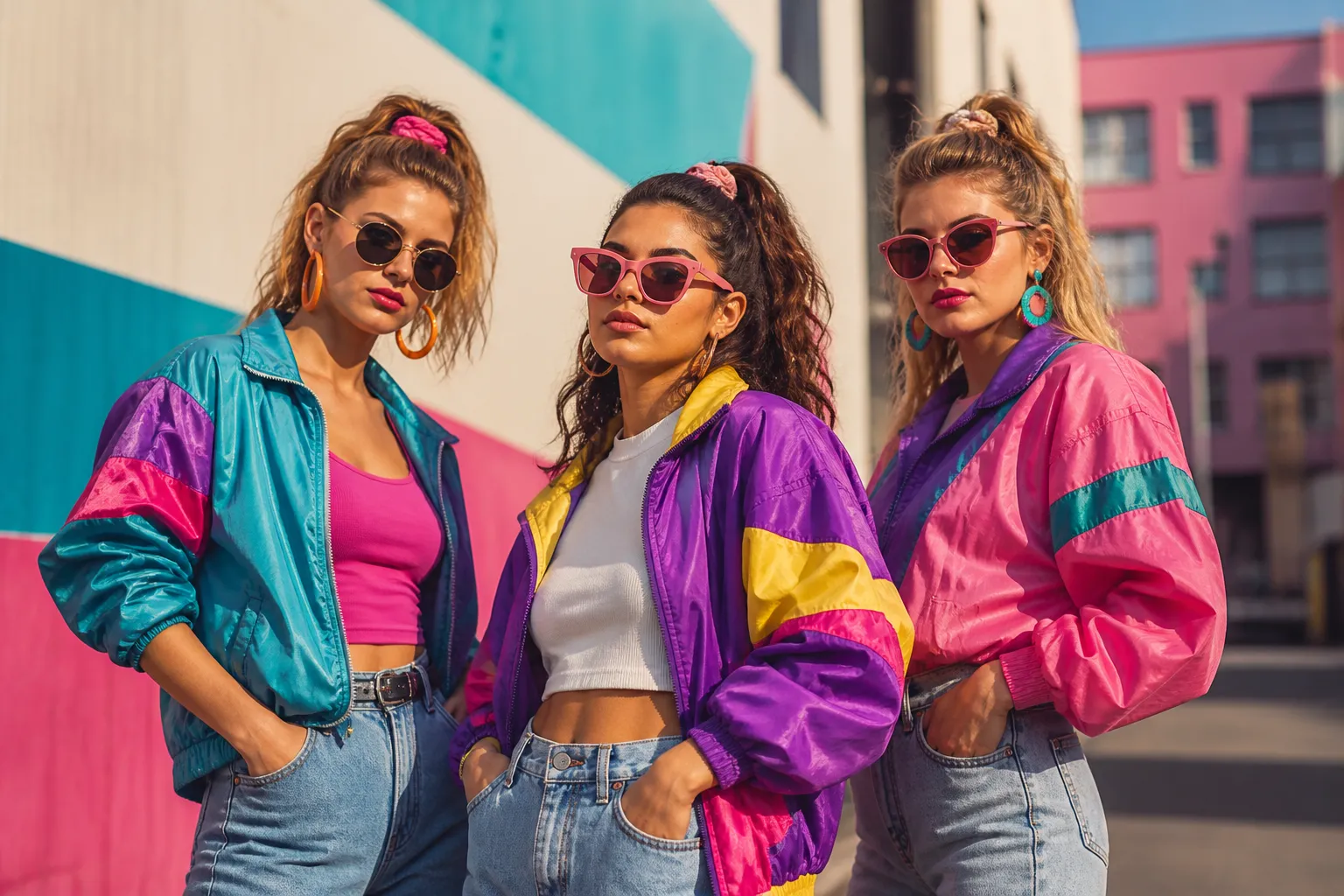
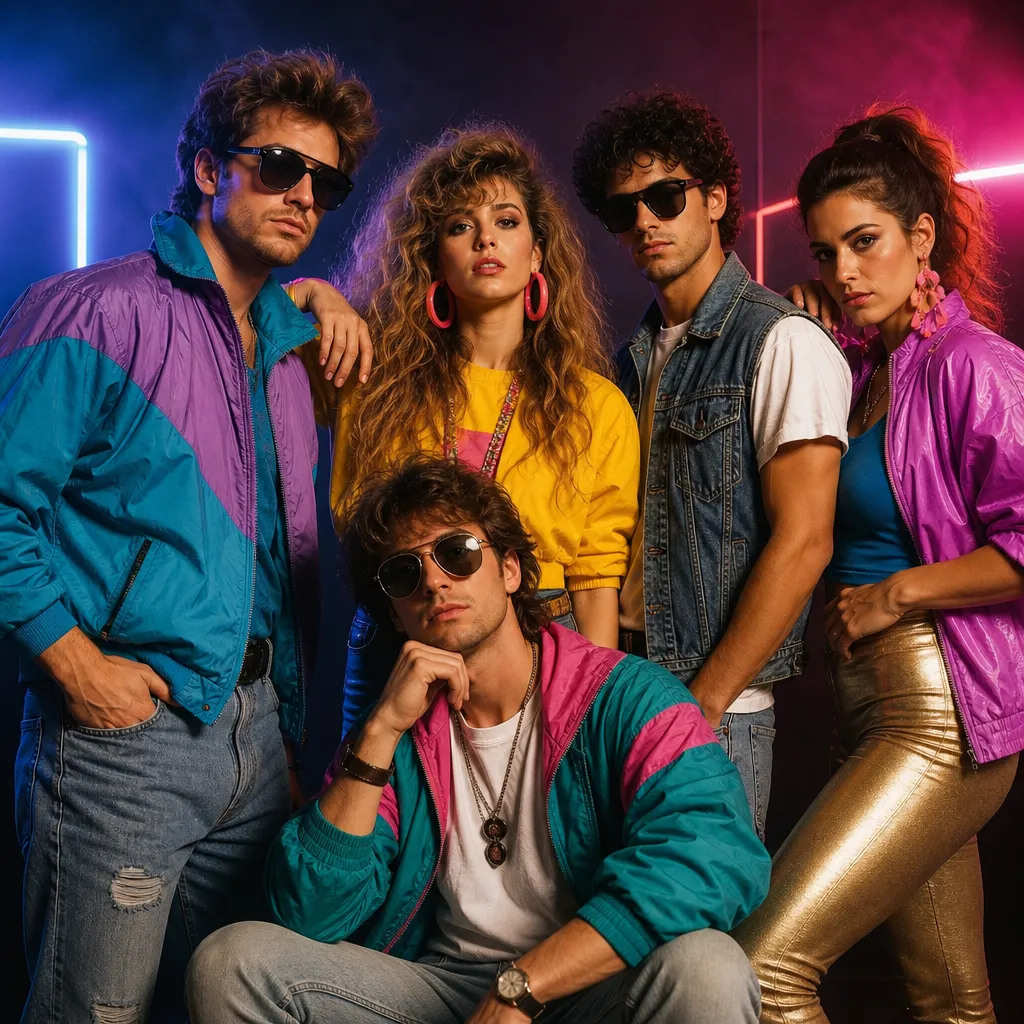
The fashion industry has fully embraced the style of the 80s, and you can see this in any shopping mall showcase or any online shopping app. Bulky silhouettes, vibrant colors, geometric patterns and bold accessories have defined an entire decade and now define collections of great designers.This return is not accidental; renowned brands have invested heavily in research to understand why that look resonates so strongly with modern consumers.
A common mistake you should avoid is to confuse nostalgia with lack of innovation in fashion. Many people believe that using references from the 80 means simply copying old looks, without considering contemporary reinterpretation. The reality is that successful designers take iconic elements of that eraas oversize leather jackets, high waist pants and striking shoulder pads and adapt them with modern fabrics, updated cuts and a visual proposal that resignifies that style for contemporary audiences.
Shopping apps and fashion social networks have amplified this trend by creating communities dedicated to vintage and retro style. You can easily find influencers and stylists sharing tutorials on how to put together outfits inspired by the 80, from the most affordable pieces to the couture collaborations that reinterpret that era.
Retro Aesthetics in Contemporary Design and Architecture
Beyond fashion, you will notice the influence of the 80 in virtually all areas of visual design. Neon colors, grid patterns, geometric shapes and even bold typography of that decade have returned strongly in visual identities of brands, product packaging and architectural projects. This aesthetic choice communicates boldness, creativity and a certain irreverence that appeals both to generations who lived to 80 and to young people who discover this aesthetic for the first time.
A frequent misconception is that using vibrant colors and patterns from the 80 will automatically make your project “retro” in an authentic way. The truth is more nuanced: you need to understand the cultural context, the balance between reference and contemporaneity, and the communicative intention behind each visual choice. Designers who master this language can create pieces that work both as genuine nostalgia and as valid creative statements by themselves, without relying solely on sentimental appeal.
Architects and decorators have also embraced this trend, rescuing elements such as mirrored glass, chrome steel, tiles with geometric patterns and furniture with straight and bold lines. You will see these elements in instagrammable coffee shops, in startup offices and even in private homes of people who appreciate the aesthetics of the 80. The differential is in balancing these references with modern functionality and contemporary comfort, creating spaces that look like a portal to the past without losing practical utility.
Entertainment and Streaming: The Golden Age on Single Screen
Streaming platforms quickly understood the commercial potential of resurrecting content from the 80s. You find original series set at that time, documentaries analyzing icons then, and reboots of classics that explore how those universes would evolve with modern technology. Producers invest millions in reconstructing that visual aesthetic, from camera quality to post-production colors that refer to videos from that period.
One mistake you should recognize is thinking that simply rescuing old content with visual filters creates authenticity.Successful producers deeply study the visual culture of the 80, interview people who lived that time, and consult film and television historians to ensure that every detail from costumes to decor environments genuinely reflect that period.
Theme songs, soundtracks and the revitalization of bands from the 80 perfectly complement this movement in entertainment. You will see reunion shows of artists of the time, tours of bands that are still active, and a growing demand for soundtracks of the period in musical playlists. The streaming market capitalized on this by creating specific categories, algorithms that connect fans of retro music, and partnerships with producers who use music from the 80 as a central element of identity.
Retro Technology: When the Past Meets the Future
Technology offers a fascinating paradox within this trend of 80. You find from smartphone covers that mimic the design of walkman to retro video game consoles that allow you to play classics in high definition.Technology brands have recognized that there is a significant audience interested in trying that technology with modern improvements Better resolution, connectivity, ergonomic comfort. These products combine sensory nostalgia with functionality that you would actually use in everyday life.
A critical mistake that many consumers make is idealizing the technology of the 80 without recognizing its genuine limitations. The truth is that that period had real restrictions on processing, storage and user interface. Today’s successful retro products take that recognizable aesthetic layouts, colors, iconic shapes but implement modern processors, long-lasting batteries and wireless connectivity. You get the best of both worlds: the sensory experience of the past with the convenience of the present.
Apps that simulate 80-year-old interfaces also exploit this trend by offering retro visual themes for your smartphone or computer. You can turn your contemporary device into a version that harks back to that period while maintaining all modern functionality.These apps educate about historical technology while creating communities of enthusiasts who appreciate this unique aesthetic.
The Psychology behind the Return of the 80
To understand why the 80s came back so strongly, you need to understand some fundamental psychological and cultural factors. Generations who lived at that time seek to reconnect with positive memories and identities formed during those years. Simultaneously, younger generations, saturated by digital hyperconnectivity, find in the analog aesthetics of the 80 a sense of authenticity and materiality that the digital world does not fully offer.
A common interpretative error is to reduce this tendency only to pessimistic nostalgia The idea that people flee from the present because the future seems uncertain. The truth is more optimistic and creative: you are witnessing a cultural dialogue where different generations collaborate to reframe the past, extracting what worked while incorporating contemporary innovations. This is not regression; it is creative synthesis that expands aesthetic and narrative possibilities.
Influencers, content creators and brands capitalized on this psychology by creating communities dedicated to the 80. You can find online forums, groups on social networks, and face-to-face events where people share collections, personal stories and creative reinterpretations of that period. These spaces act as escape valves for a certain contemporary cultural alienation, offering a sense of belonging to something greater than the individual.
How You Can Authentically Engage With This Trend
Whether you want to take advantage of this trend be it as a consumer, content creator or entrepreneur, avoid falling into common traps that devalue your approach. The first is superficiality: do not limit yourself only to vibrant colors and voluminous clothing.Search genuinely about the era, understand the cultural context, and ask yourself why those elements resonate with you.
The second mistake is to ignore authenticity in favor of commercial convenience.You can quickly realize when a brand is simply using references from the 80 as an empty marketing strategy, without respecting the historical truth or taste of communities that genuinely appreciate that era.Conscious consumers punish these obvious attempts at exploitation, while rewarding creators and brands that demonstrate genuine respect for the era and their cultural contributions.
The third important aspect is to balance homage with innovation. You do not have to replicate exactly the 80s to participate in this trend; you can reinterpret it through your contemporary perspective, your values and your creativity. The most successful projects are those that recognize the time as inspiration while adding layers of current personal and cultural meaning. This approach creates something simultaneously familiar and new, appealing to both nostalgia and future curiosity.


