Find out Who Sees Your Online Profile
Anúncios
Many people want to know who is viewing your profile on social networks and online platforms. This curiosity is natural, but it is also full of myths and misinformation that circulate on the internet.
In this article, you will find out the truth about how to identify who sees your profile, what methods really work and what are just deceptions created to deceive unsuspecting users.
The Great Myth of Magical Visualization Apps
The internet is full of tempting promises: apps that supposedly reveal who viewed your profile on Facebook, Instagram or TikTok. These apps often appear in seductive ads that claim to unlock secret information that platforms hide.The truth is that most of these tools do not work as they promise and many are scams designed only to collect your personal data.
When you install a suspicious app like this, you often need to give access permissions to your accounts, contacts, photo gallery, and other sensitive information. The creators of these apps use this data for various purposes, from selling to third parties to creating fake profiles.
Major platforms like Facebook, Instagram, Twitter and TikTok deliberately do not share detailed information about who views their profiles. This is an intentional design decision to protect the privacy of users. No external application can circumvent this protection because there is no way to access this data without direct authorization from the platforms themselves.
 Social Guru
Age Classification:
Free Classification
Author:
Mobi Connect Trek
Platform:
Android
Price:
Free
▶Download on Google Play
Social Guru
Age Classification:
Free Classification
Author:
Mobi Connect Trek
Platform:
Android
Price:
Free
▶Download on Google Play
What Platforms Really Reveal About Views
Despite the myth of magic apps, some platforms offer legitimate information about who interacts with your profile. You do not find out who simply saw your profile, but get data about who liked, commented on or shared your content. This information is offered natively by the social networks themselves and does not require suspicious applications.
On Instagram, for example, you can see a list of people who liked your photos, as well as data on how many people viewed your profile (a total number, but not specific names). Facebook offers notifications when someone visits your profile in certain circumstances, and you can track who interacts with your posts. TikTok also shows statistics on video views, including detailed engagement data for verified accounts.
If you have a business or verified account on any of these platforms, you access much more robust insights about your audience.This data includes viewer demographics, peak viewing times, and traffic sources.This information is valuable and legitimate, offered by the platforms themselves to help creators and businesses understand their audience.
The Warning Signs: How to Identify Fraud and Scams
There are common features in fraudulent apps that you should learn to recognize. If an app promises to reveal “full list of anonymous visitors” or “names of people who view your profile secretly”, be wary immediately. No legitimate platform exposes this information because technically it is not possible to track anonymous views without user consent.
Another red light is when the app asks for access to your social media login credentials. Official platforms never work this way because requesting password is a common phishing tactic. Also, be aware of apps that ask for excessive access to your device permissions, such as access to contacts, camera, location or call history, with no clear reason for the functionality it promises.
Legitimate apps have honest reviews in app stores, functional customer support, and an identifiable company or developer behind them. If you only find extremely positive or only negative reviews, or if the developer has no verifiable online presence, these are red flags.Search for independent reviews before installing anything that promises to access private data from social networks.
The Impact of Privacy and Policy Changes
The big platforms have evolved their privacy policies precisely to prevent information about views from being exposed. This change began a few years ago when privacy concerns increased globally.Facebook, for example, removed the feature that showed exactly when someone visited your profile because it understood that it invaded the privacy of its users.
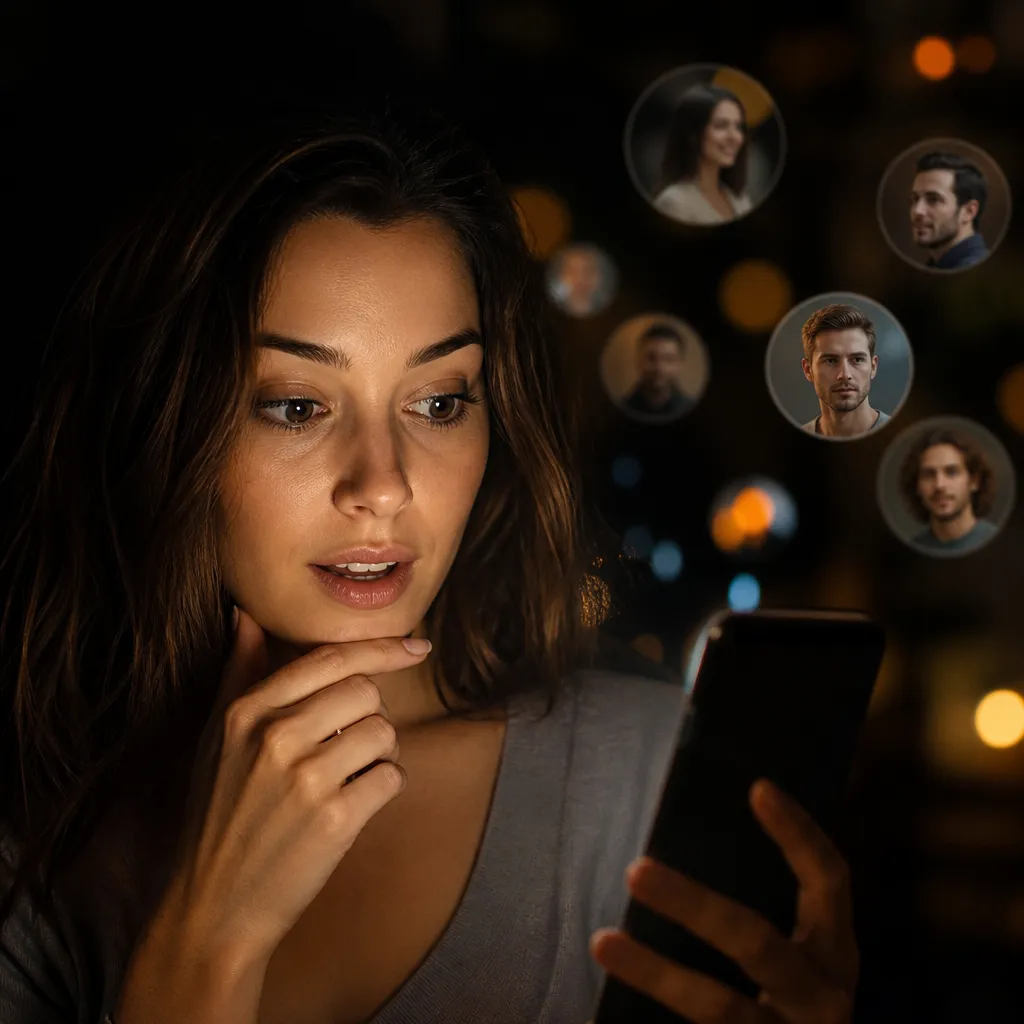
This evolution reflects a broader trend on the internet: companies have realized that users are increasingly aware of privacy and willing to abandon platforms that violate their data. Regulations such as the LGPD in Brazil and the GDPR in Europe also pressure companies to be more restrictive with personal data.
If you really need information about who interacts with your profile, use only the native features offered by the platforms themselves. These features have been developed respecting the privacy and security standards set by the companies.
Legitimate Alternatives to Understanding Your Audience
Instead of looking for questionable ways to find out who sees your profile, consider using analytics tools offered by the platforms themselves.If you are a content creator or manage a brand, these native tools are much more powerful and reliable than any third-party app.
On Instagram, go to the “Insights” tab on a business account to see detailed data on views, saves, shares, and comments. On YouTube, the analytics dashboard offers rich information about viewing time, traffic sources, and viewer demographics. This information is much more valuable for growing your online presence than simply knowing names of people who have visited your profile.
If you run a blog or website, tools like Google Analytics provide complete data about who is visiting your pages, where they come from, how long they stay on the site, and which pages generate the most interest.This real, reliable information is much more useful for improving your content strategy than any supposed “visitor list”.
Why This Illusion Persists
The reason these myths about discovering viewers remain popular is simple: they exploit natural human curiosity and insecurity.We all want to know if specific people are interested in us, whether in personal or professional contexts.
In addition, the deception continues to work because it works for those who create the scam. When you install these suspicious applications, the fraudster gains access to your data, manages to monetize your personal information, and often you never discover the real truth. The apps may also include malware that compromises the security of your mobile phone or computer without you realizing it.
The internet and social networks offer a lot of misinformation because people propagate these untruths without checking if they are true. A friend makes a post saying that he has discovered an app that reveals viewers, and you believe because it comes from someone you know.
Protecting Yourself and Keeping Your Privacy Online
The best defense against these scams is to stay informed and skeptical.When you find extraordinary promises about revealing hidden information, question the truth before you act.Google, search for independent reviews, and make sure the promise makes sense technically.If something seems too good to be true, it’s probably because it’s false.
When downloading any app, carefully review the permissions it requests on your device. If an app that promises to show viewers asks for access to your camera, location, or call history, simply do not install. These permissions bear no relation to the promised functionality and clearly indicate that the developer has questionable intentions.
Add layers of security to your personal account using two-factor authentication, strong and unique passwords for each platform, and avoid connecting third-party apps to your social media accounts.The fewer apps that have access to your accounts, the lower the risk of security compromise.Your personal information has value in the digital marketplace, so protect it as you would protect a precious asset.