See Who Visited Your Profile on Networks
Anúncios
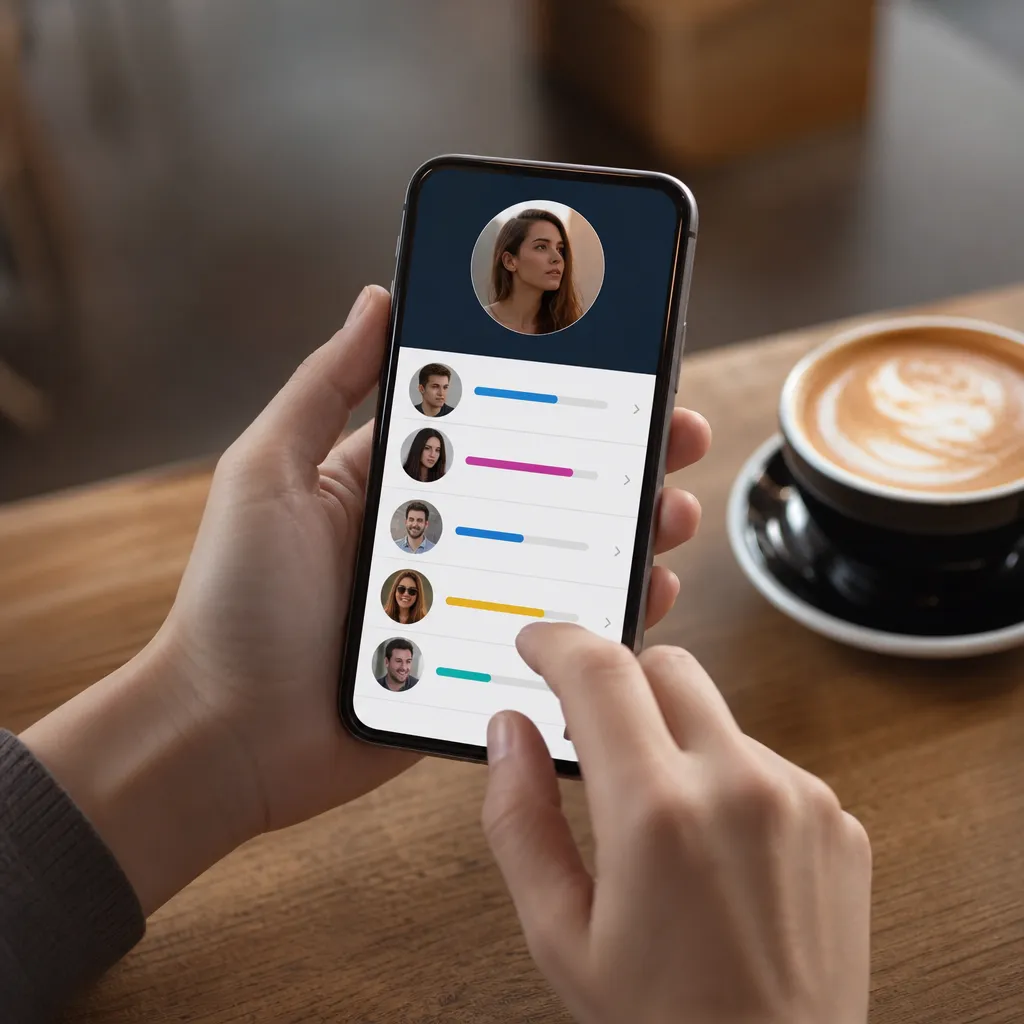
Have you ever wondered who is visiting your profile on social networks? This curiosity is common and has led to the emergence of several applications that promise to reveal this information. In this article, we will explore the myths and truths about these tools, helping you to understand what is really possible to do.
The profile tracking app industry has grown significantly in recent years, fueled by the natural curiosity of people about who is watching them online.However, many of these apps work very differently than they promise, and some may even put your security at risk.
The Myth of Full Visitor Viewing
One of the biggest myths that circulates is that apps manage to show a complete list of all users who have visited your profile. The truth is that major social media platforms such as Instagram, Facebook, TikTok and Twitter do not provide this information through third-party tools.The algorithms of these platforms are closed and protected specifically to prevent this type of tracking.
Social networks keep data about who has seen your profile, stories and content, but this information is unique to their own interfaces. When you open your stories on Instagram, for example, only the official platform can show who has viewed. No external application has access to this data in a legitimate and authorized way by the social network.
Many apps promise to break this barrier, but what they actually do is collect generic data or use questionable strategies. Some simply generate random lists of users to look like they work, while others try to access information through methods that violate social media’s terms of service.
 Social Guru
Age Classification:
Free Classification
Author:
Mobi Connect Trek
Platform:
Android
Price:
Free
▶Download on Google Play
The Truth About Real Functionalities
While no app can show exactly who visited your profile, there are some legitimate features these tools actually offer. Many of them work by analyzing public data or offering account management features that social networks themselves provide to a limited extent.
Some apps can access information you would already have access to on the original platform, but in a more organized way or with visual improvements. For example, they can compile statistics about your followers, show who unfollowed you, or display data about the engagement of your posts. These features exist because the social networks themselves provide this data on their official platforms, and the app is just rearranging this information.
There are also tools that offer basic profile analysis, follower comparison, and management functionality. These tools work within the limits allowed by social media APIs and do not attempt to circumvent security restrictions.If an application respects the terms of service, it can deliver genuine value without compromising your privacy.
Security and Privacy Risks
A significant risk when using applications of this category is the compromise of your personal security and privacy.Many of these applications request access to your login credentials, which is an extremely dangerous practice.By providing your username and password, you are putting your entire account at risk and allowing third parties to access your sensitive information.
Official social networks never ask you to share your password with third-party applications through this method. If an application is asking for your direct credentials, it is operating outside the established security standards.This is a clear sign that you should not continue using the tool, as your account may be hacked or your content may be stolen.
In addition to the issue of credentials, many applications collect personal data extensively and use it for advertising purposes or even sell it to third parties.Your location information, behavior patterns, contacts and browsing history can be tracked without your actual knowledge.The privacy policy of these applications is often vague or written in order to disguise the extensive use of your data.
Malware is also a real concern in this space.Some applications appear to be legitimate profile analysis tools, but are actually disguised as infected with malicious code. Once installed on your device, this malware can damage your phone, steal banking information or spy on your conversations.You should always check the developer history and app ratings before installing.
How Official Platforms Protect This Information
Social networks invest billions in security and in maintaining exclusive control over sensitive data such as profile visitors. They do this for a simple reason: this information is valuable and private, and unrestricted sharing could harm the user experience.
Instagram, for example, keeps the information of those who saw your stories in encrypted form and makes it available only through the authenticated official platform. To access this information, you need to be logged into your own account, which ensures that only you know who is visiting your content. The same principle applies to Facebook, TikTok and other major platforms.
The official APIs that social networks make available to third-party developers are strictly limited and monitored. When you authorize an application through the official login interface (for example, “Log in with your Instagram account”), you are not giving direct access to credentials, but allowing the platform to share specific authorized data.
The OAuth authentication mechanism, used by modern platforms, is a security standard that allows you to authorize applications without ever sharing your password. Through it, you control exactly what data the application can access and can revoke this permission at any time. When an application respects this standard, it is operating safely and within the limits imposed by the social network.
Legitimate and Safe Alternatives
If you are interested in better understanding your data on social networks, there are legitimate and safe alternatives available. The official platforms themselves offer analysis tools that you can use without risk. On Instagram, for example, if you have a business account, you can access detailed insights about your publications, stories and audiences. These data are provided directly by the platform and are completely safe.
Facebook offers a tool called Meta Business Suite that consolidates information about your pages, campaigns and interactions with your audience. This is a solution developed and maintained by Meta itself, ensuring maximum compatibility and security.
For those who want more advanced analytics, there are some reputable, trusted apps that respect security standards.Search for tools that utilize OAuth authentication, have clear and transparent privacy policies, and have positive verified user reviews.
A safe approach is to use the native functionalities of social networks before resorting to third-party applications. If a functionality you need does not exist on the official platform, there is likely to be a security reason or policy for this. In this case, it is better to accept the limitation than to risk its security.
Warning Signs You Should Not Ignore
There are several signs that indicate when an application might be fraudulent or dangerous. If it asks for your password directly, this is a high alert that you should not ignore. Legitimate platforms never ask for passwords in this way, so any application that does this is operating outside of acceptable security standards and should be avoided immediately.
Another warning sign is when the application promises impossible results, such as a complete list of all visitors to your profile or the ability to see who unlocked it. If the functionality is not available on the official platform, no external application will be able to provide it in a legitimate way. These promises are pure misleading marketing and indicate that the application is not reliable.
Applications that require a lot of unnecessary permissions should also be avoided. If an application that should only analyze your profile is asking for access to your camera, microphone, or contact list, something is wrong. Always review the requested permissions and refuse applications that ask for more access than they actually need to work.
Lack of transparency is another worrying sign.A legitimate application will have a clear privacy policy, developer information, and responsive customer support.If the application was developed by an anonymous entity, has no privacy policy, or its support never responds, these are signs that it may not be trusted or be involved in dubious practices.
The Psychological Impact of Obsession with Knowing Who Sees Your Profile
In addition to the technical risks, it is important to consider the psychological impact of obsessing over who is viewing your profile. This fixation can lead to anxiety, insecurity and obsessive behaviors on social networks. You may find yourself constantly checking who has visited your profile, which can harm your mental health and productivity.
Social networks are designed to encourage engagement, and knowing exactly who is watching you can create a false sense of importance or conversely lead to feelings of rejection. Most people who visit your profile may just be exploring casually, without taking special interest in you. Assuming that each visit means something can lead to misinterpretations and unnecessary concerns.
A healthier approach is to focus on creating quality content and genuinely engaging with your audience, rather than obsessively worrying about monitoring visitors.If you are interested in analytics, focus on engagement metrics that really matter, such as comments, shares, and likes.
You don’t have to know everything that happens in relation to your profile to have a positive online experience. Sometimes, the best thing for your mental health is simply to turn off notifications, set specific times to use social networks and focus on offline activities that bring more personal fulfillment.
Practical Conclusion: Making Informed Decisions
The truth about apps seeing who has seen your profile is that most of them do not work the way they promise, and many can compromise your personal security. Social networks keep this data protected intentionally, and no external tool will be able to access them legitimately and on a large scale.
If you really need analysis about your activity on social networks, use the official tools provided by the platform itself. Instagram Insights, Facebook Analytics, and similar tools on other social networks offer legitimate and secure information about their performance. These options are always more reliable than third-party applications that promise the impossible.
When considering installing any application, carefully check the developer, privacy policy, requested permissions and user reviews.If something does not seem right, trust your gut and do not install.Your security and privacy are much more valuable than satisfying a temporary curiosity about who is viewing your profile. The decision to protect your data is always the best decision you can make.