Monitor Profile and View App Visitors
Anúncios
You want to know who is visiting your profile on social networks, but do not have integrated tools for this. Applications specialized in profile monitoring and visitor discovery emerge as a practical solution to this growing need, allowing you to have more control and visibility over your online presence.
The market offers several alternatives to track visitors and monitor activity around their profile. However, many people make common mistakes when choosing these tools, which can compromise their privacy, personal data or result in frustrating experiences. This article details how these applications work, what pitfalls to avoid and how to use them safely and effectively.
How Profile Monitoring Apps Work
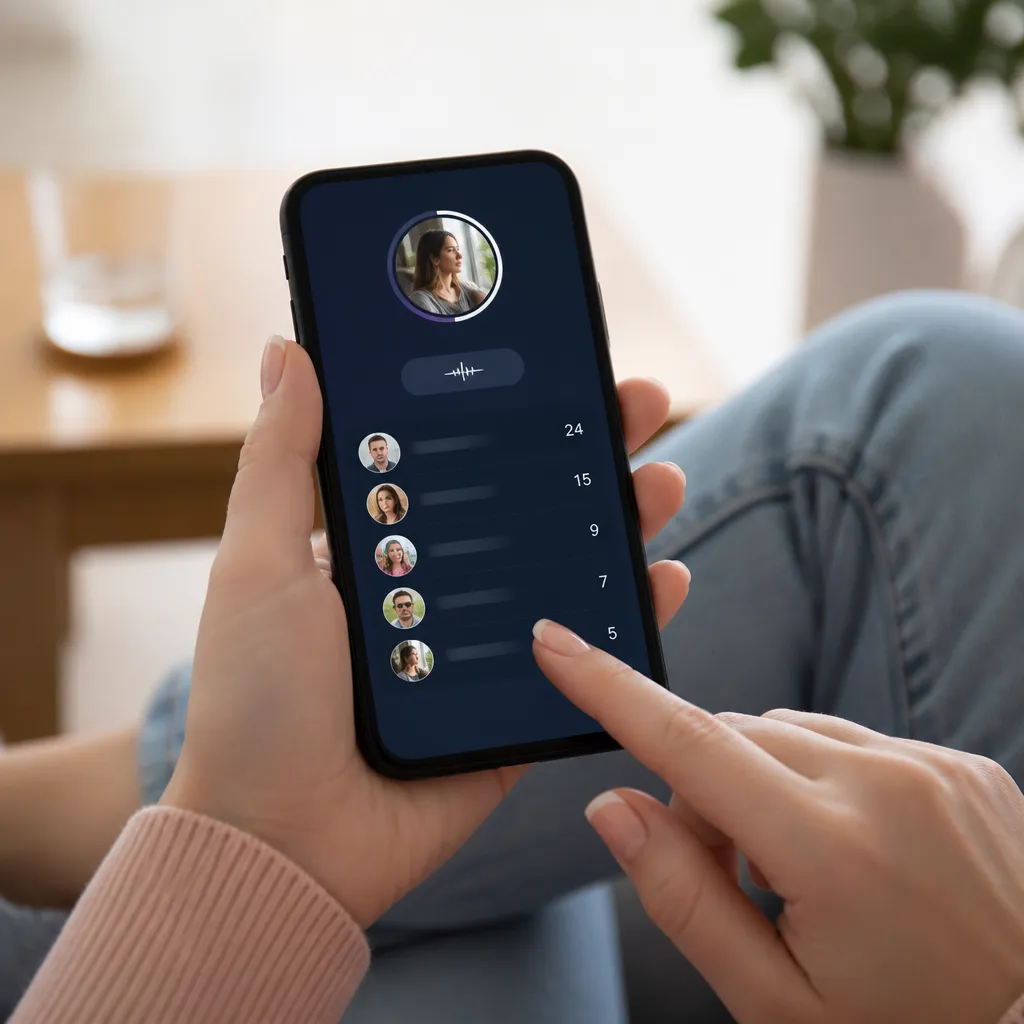
Applications to monitor profile and discover visitors use different methodologies to collect information about who accesses your account. Some access public data made available by the social networks themselves through their APIs, while others track patterns of interaction and activity. Most work by requesting permission to access information from your account, which allows them to monitor story views, profile visits and interactions with your content.
The operation varies according to the target social platform. For Instagram, for example, some applications analyze data of who viewed your stories, who visited your profile recently or who saved your posts. Platforms such as TikTok, Facebook and Twitter have their own technical limitations that determine which type of data can be tracked. Understanding these differences is essential to choose the appropriate tool for your specific needs.
Common Errors When Using Tracking Apps
The first mistake most people make is not checking the reputation and security of the app before installing it. Many users download any app that promises to reveal visitors without investigating whether it is trustworthy, has positive reviews or has been developed by an established company.This exposes their data to significant risks such as credential theft, unauthorized access to their account or selling personal information to third parties.
Another frequent error is to grant excessive permissions to the application without need. When you install a monitoring tool, it often requests access to contacts, photos, browsing history and other sensitive information that is not relevant to track visitors. You should carefully review each requested permission and refuse those that seem unnecessary. Never accept everything automatically just to speed up the installation process.
Many users also confuse accuracy with absolute guarantee. Not every application can identify all visitors, especially when accounts are private or when users disable tracking features. You can invest in a tool and find that it does not provide the expected results. Therefore, it is critical to read reviews from real users and test the free version before paying for premium versions.
Security and Privacy: Critical Issues
When using monitoring applications, you are sharing login credentials with a third party, which poses an inherent risk. Choose only tools that use OAuth authentication, a secure protocol that does not require you to share your password directly. This approach allows the app to access specific data without having full access to your account. Make sure the app explicitly mentions the use of OAuth in your documentation or settings.
It is also important to understand the privacy policy of any application you use. Many tools collect user data and use it for market analysis, targeted advertising or even sell this information. Read the entire policy, not just the summary.If something seems ambiguous or offensive to your privacy, look for alternatives.Respectable applications are transparent about how your data is collected, stored and used.
Warning Signs You Should Ignore
Be wary of apps that promise impossible results, such as revealing all your account visitors or identifying who you don’t follow who is following your profile. Social networks have technical limitations that prevent certain types of tracking, and no app can magically get around this. If an app makes promises that seem to violate the rules of social platforms, it is probably using dubious or misleading methods.
Another red flag is the request for early payment without offering a trial version. Legitimate tools usually allow you to use basic versions for free before requesting a payment for advanced features.If an app charges immediately and offers only vague promises about what you will receive, there is a high probability that it will be a scam. Always look for apps with transparency about pricing and functionality.
Safe Alternatives to Visitor Tracking
If you are hesitant to install third-party apps, consider using the native tools offered by the social networks themselves.Instagram, for example, allows you to see who viewed your stories directly in the official app, without the need for external tools.TikTok also offers basic statistics for content creators.These native options are more secure because they come directly from the platform you already use.
Another alternative is to focus on general engagement analytics rather than individual visitor tracking.Social media analytics tools provide insight into how many people viewed your content, overall engagement rate, and demographics of your audience.This information is often more useful for understanding your reach than knowing exactly who visited your profile.
Best Practices to Use These Tools Safely
If you decide to use a monitoring app, start by searching extensively. Read reviews across multiple platforms including app stores, social networks, and software review sites.Search for apps with thousands of positive reviews and a recent last update date, which indicates that developers continue to maintain and improve the product.
Keep your account secure strong before using any tracking tool.Enable two-factor authentication on your social media accounts to add an extra layer of protection.If the app has access to your account and is compromised, two-factor authentication will help protect your credentials.Change your password regularly and never reuse passwords across different platforms.
Periodically review the permissions you have granted to the applications you have installed. Many social networks allow you to view which third-party applications have access to your account. Remove access from any tools you no longer use or trust. This simple practice significantly reduces your risk of data exposure. Do this cleaning at least every three months to ensure that only necessary and reliable applications have access.
Understanding Real Technical Limitations
Social networks themselves have implemented restrictions to protect users’ privacy, which has limited the ability to track any external application.Instagram, for example, allows you to see who viewed your stories for only 24 hours after publishing, and this information can not be accessed later.No application can get around this architectural restriction. Understanding these limitations helps you have realistic expectations about what any tool can do.
Also, users with private accounts offer even less data for tracking. If the profile you want to monitor is private and you do not follow the person, chances are that no application will be able to provide detailed information. Social networks deliberately restrict access to private account data to protect privacy. You should be aware of this reality before investing time and money in a tool that may not be able to do what you expect.