Scan Car Engine: Complete Guide
Anúncios
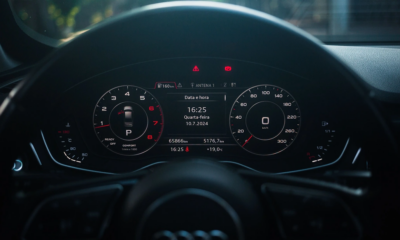
Have you ever stopped to think about what that “check engine” symbol on your car dashboard really means? Scanning your car engine is one of the most important practices for maintaining the mechanical health of the vehicle and avoiding costly problems in the future.
In this comprehensive guide, you will discover not only how to make this diagnostic reading, but also unravel the myths and truths surrounding this essential process.Many people have legitimate doubts about when to scan, where to do it and whether it really makes a difference in engine life.
What It Really Means to Scan Your Car Engine
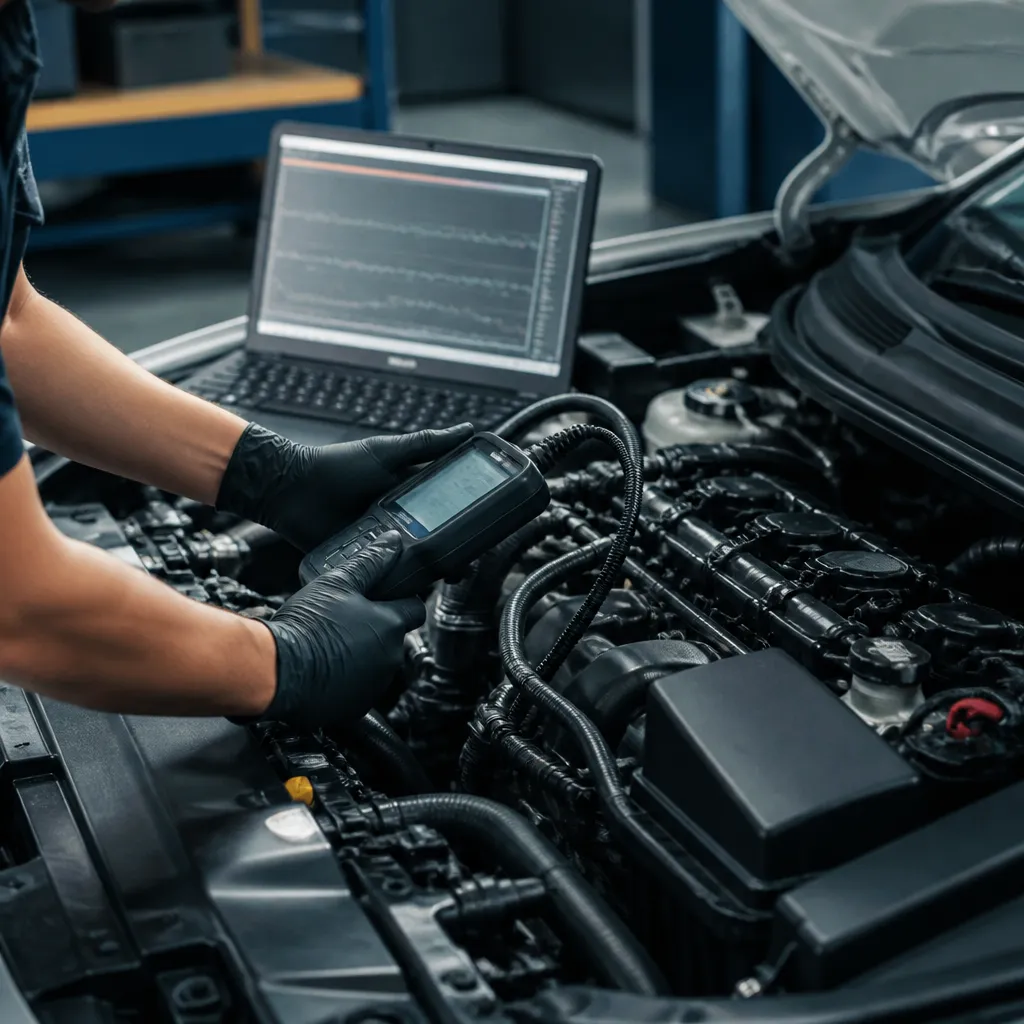
Scanning the engine means using diagnostic equipment to read the error codes stored on the vehicle’s computer.Every modern car has an integrated electronic system that continuously monitors the operation of the engine, transmission, emissions system and other critical components.When something goes out of the expected standard, the system records a specific code that can be read by a scanner.
The process is similar to doing a medical check-up on your car. Just as a doctor uses tests to identify health problems, the automotive scanner identifies anomalies in mechanical and electronic functioning.These codes are internationally standardized, meaning that a qualified technician can interpret the same codes on any vehicle brand, provided it is manufactured after 1996.
The on-board computer of your car performs thousands of checks per second, monitoring oil pressure, engine temperature, valve operation, ignition system and more. When it detects a variation outside of normal parameters, it records this event with a fault code that you can access through the scanner.
 ELM OBD2 Car Scanner
Classification:
”’ think it’S.
4.81
Age Classification:
Free Classification
Author:
CAR SCANNER LLC
Platform:
Android
Price:
Free
▶Download on Google Play
Myth vs Truth: The Most Common Misconceptions
There is a lot of confusion about scanning your car engine, and it’s time to separate what’s true from what’s just myth. Many owners hear stories from friends or read incorrect information on the internet, creating a distorted view on the importance and operation of this essential practice.The truth is that knowing the difference can save thousands of dollars in unnecessary maintenance or, worse yet, prevent further damage to the engine.
Myth 1: Scanning the Engine Damages the Vehicle
This is one of the most persistent and completely false myths.The scanner connects to a specific puerto in your car called OBD-II (On-Board Diagnostics II), which was designed exactly for this purpose. The reading of the codes is a passive process that simply collects information stored on the vehicle’s computer, without making changes or sending commands that affect the operation. It is like seeing the notes in a notepad without rewriting anything.
Professionals use scanners regularly in their workshops without ever causing any damage to vehicles. The connection is so safe that even owners can use personal diagnostic scanners without any risk.The equipment does not interfere with the electronic system of the car or cause any kind of breakdown or reduction of engine life.
Myth 2: You Only Need to Scan When the Check Engine Light Appears
True and half truth at the same time, but mostly a dangerous misconception.Yes, you should scan when the light turns on, but this is only a part of the story. The check engine light indicates that the computer has detected a fault, but many problems begin even before the light appears. Making regular diagnostics helps you identify problems at an early stage, when they are cheaper and easier to solve.
Some problems may also not trigger the check engine light immediately, especially if they are intermittent or light. A modern scanner can detect anomalous behavior that has not yet been severe enough to turn on the warning on the dashboard. Professionals recommend scanning the vehicle regularly, at least once a year, as part of preventive maintenance.
Myth 3: The Scanner Can Fix the Problem Alone
The scanner is a diagnostic tool, not a repair tool. It reads the codes and provides information about what is wrong, but does not fix anything. Some more advanced equipment can make slight software adjustments or reset certain sensors, but this is a small fraction of its functionality. Most of the detected problems require physical intervention of a qualified technician.
The scanner is the first step in the diagnostic process, not the complete solution. Think of it as a thermometer that indicates fever but does not cure the infection. You need to understand what the code means and then investigate what is the root cause of the problem. An experienced technician uses the codes as clues to locate the real culprit, which can be a faulty sensor, a worn spark plug, a cable with poor contact or dozens of other possibilities.
The Truth About Regularly Scanning the Engine
Scanning your car engine regularly is a highly recommended practice that offers real and measurable benefits.Automotive technicians and engineers agree that early detection of problems is critical to keeping the vehicle in good condition and extending its life.Many car owners who make regular diagnoses report fewer mechanical surprises and significantly lower repair bills.
The truth is that engine problems do not appear out of nowhere. They develop gradually, and your car’s computer begins to register anomalies weeks or months before you notice something wrong. A scanner can capture this information before the problem manifests itself in an obvious way, as the engine failing, difficulty when starting or reduced performance. Professionals who use scanners regularly can intervene at the right times, avoiding more serious damage.
Where and How to Scan Your Car Engine
You have several options for scanning the engine, each with its advantages and disadvantages.The choice depends on your budget, technical knowledge and how often you want to make the diagnosis. Knowing the available options helps you make the best decision for your specific situation.
The most common way is to take the car to an authorized or independent workshop that has professional diagnostic equipment. Qualified technicians not only read the codes, but interpret what they mean and check other related systems to identify the root cause of the problem. This service usually costs between fifty and two hundred reais, depending on the complexity of the diagnosis and the location of the workshop. The advantage is that you receive a professional analysis and expert guidance on what to do next.
Another option is to buy a personal scanner to use at home. The simplest models cost from a hundred reais and can read basic fault codes and reset the check engine light.More advanced equipment, with the ability to view real-time data and deeper analyzes, cost between three hundred and a thousand reais. The advantage is the practicality of making diagnoses whenever you want, without relying on workshops. The disadvantage is that you need to learn to use the equipment and interpret the information properly.
Many automotive supermarkets and parts stores also offer code reading for free. This is an excellent option if you just want to know what the specific code is without investing in a scanner of your own. The employee simply connects the equipment, reads and writes the codes for you. You can then search the meaning of the codes online or take the information to a technician for more detailed interpretation.
Codes and Their Practical Meaning
When you scan the engine, the result is standardized alphanumeric codes that specifically indicate what is happening. Understanding these codes helps you better communicate with technicians and make informed decisions about what to do next. The codes follow an international standard, which means that a P0300 code will have the same meaning in any vehicle, regardless of brand.
The codes are initiated by the letter P, followed by four digits. The first digit after P indicates the general category (0 for powertrain or power train, 1 for chassis, 2 for body, 3 for network system). The next three digits specify exactly which component or function is in trouble. For example, P0171 means that there is a problem in mixing very lean fuel in the seat one of the engine. P0500 indicates a problem in the vehicle speed sensor. Knowing these codes helps you to research specifically about the problem and understand the severity of the situation.
Some are just mild warnings that the vehicle is operating outside of the ideal parameters, while others indicate critical faults that require immediate repair. A faulty oxygen sensor, for example, generates a specific code, but the car can continue to function normally for a while. On the other hand, a code related to the airbag safety system requires immediate attention.A qualified technician can assess the urgency of each code.
When You Really Should Scan
The optimal frequency for scanning your car engine depends on several factors, such as vehicle age, mileage and history of problems. For new cars in good condition, an annual diagnosis during regular maintenance is usually sufficient. For older vehicles or those with high mileage, reading every six months can be more prudent.Cars that usually run in severe driving conditions deserve more frequent attention.
You should scan immediately if you notice any of the following signs: check engine light on, noticeable reduction in performance, fuel economy suddenly worsening, difficulty starting the engine, abnormal engine sounds or erratic behavior in acceleration. These are clear signs that something is working incorrectly and deserves investigation. In addition, scanning is part of a good preventive maintenance routine, as well as changing oil and reviewing tires.
If you are thinking about selling your car, making a full diagnosis before placing the ad is a smart practice. This allows you to fix small problems before they become obstacles in the sale and demonstrates transparency to potential buyers. Similarly, if you are acquiring a used car, asking the seller for a diagnostic report is a valuable protection against hidden problems that could cost you dearly later.
How to Interpret and Act on Results
Getting the codes is just the first step.The true utility of the scanner lies in the correct interpretation of the results and the appropriate action you take next.Each code can have multiple possible causes, and identifying the correct cause is what separates effective repair from unnecessary expenses.
When receiving a fault code, your first action should be to research its specific meaning. There are free online databases that explain what each code means and what are the most common causes. However, remember that the most common causes may not be the real cause in your specific case. An oxygen sensor code, for example, can be generated by a faulty sensor, but also by a leak in the exhaust system or a worn spark plug. An experienced technician knows how to investigate systematically to find the true cause.
Never ignore a code simply because it looks smaller or because you know someone who has driven with that problem for a long time. Each code exists for a reason and represents an anomaly that must be investigated. Even seemingly mild problems can evolve into something serious if ignored. When in doubt, consult a qualified professional who can make a more in-depth diagnosis using additional tools beyond the basic scanner.