How to Identify Vehicle Engine Failures
Anúncios
Identifying engine failures is critical to keeping your vehicle running properly and avoiding bigger problems in the future.You can learn to recognize the most common signs of dysfunction and make informed maintenance decisions before minor problems turn into costly repairs.
Many drivers make serious mistakes by ignoring the first symptoms of engine failure, waiting until the vehicle stops working completely.This practical guide shows how you can identify these faults early, what are the most common errors in detection, and how to avoid them to protect your investment.
The Visible Signs of Engine Failure
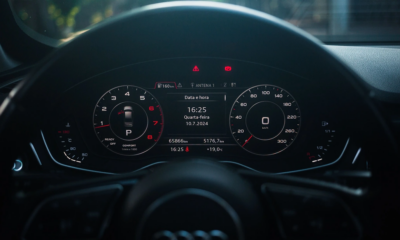
The first indicator of engine trouble usually appears through the warning light on your vehicle dashboard.This red or yellow light means that the diagnostic system has detected an anomaly and you should not ignore it. Driving with this light on puts your engine at risk of suffering irreversible damage that could have been prevented with a quick inspection.
Smoke coming out of the hood is another obvious sign that something is wrong. Smoke can indicate oil leaking and burning in the engine, problems with the cooling system or a number of other serious faults. You should immediately park in a safe place and turn off the engine to prevent the problem from worsening while the vehicle is running.
Visible leaks under your car after parking it also deserve immediate attention.Oil, coolant or other liquids falling from the engine indicate that internal components may be damaged and require professional repair.A small leak today can become a catastrophal failure tomorrow if you do not act quickly.
 ELM OBD2 Car Scanner
Classification:
”’ think it’S.
4.81
Age Classification:
Free Classification
Author:
CAR SCANNER LLC
Platform:
Android
Price:
Free
▶Download on Google Play
Abnormal Motor Behavior
Your engine swinging or vibrating more than normal is a classic sign of failure that you should not neglect. These abnormal vibrations often indicate worn spark plugs, misaligned cylinders, or problems with the engine springs and shock absorbers. The faster you identify this, the fewer additional components will suffer damage from these continuous vibrations.
Strange sounds like metal knocks, knocks or pops coming from the engine deserve immediate investigation. These noises can mean from improper fuel detonation to serious problems with pistons or valves. You should try to identify when the noise occurs, whether it is during acceleration or at rest, as this helps the mechanic diagnose the problem more quickly.
Lack of power when accelerating is often ignored by drivers, but it represents a serious warning about the health of your engine.If you notice that the vehicle takes longer to gain speed or does not respond normally when stepping on the accelerator, the cylinders may be losing compression or the fuel is not being burned properly.
Fuel Consumption and Emissions Issues
Abnormally high gasoline consumption is a common mistake that drivers miss.You can assume that you are just driving more, when in fact the engine may be inefficient and running on fuel without generating adequate power. Problems with injectors, air control valves or combustion systems directly affect consumption.
Smoke in the different colors that comes out of the exhaust provides valuable information about what is happening in the engine.Blue smoke indicates that oil is burning, while white smoke may mean that water or coolant is entering the combustion chamber.
A strong smell of unburned gasoline around the car is also concerning. This odor suggests that fuel is leaking or not being burned completely, which can damage the catalyst and other components of the exhaust system.Leaving this unverified can result in much more expensive repairs in the future.
Common Errors when Identifying Engine Failures
The biggest mistake you can make is to ignore the check engine warning light simply because the car is still running normally. Many drivers mistakenly believe that only serious problems trigger this light, but small faults detected early are much cheaper to fix than when they turn into major damage.
Assigning all engine problems to poor quality fuel is another frequent mistake. Although fuel actually affects the operation of the engine, most failures are caused by worn or broken components, not by the gasoline you use.
Relying only on sounds and vibrations without checking with a diagnostic scanner is a dangerous mistake that many drivers make. Your ear can fool you and a vibration can originate in completely different components from those you suspect. A professional diagnosis with proper tools always overcomes assumptions based only on sensory perceptions.
Continuing to drive with the engine failing as a way of “testing” to confirm the problem is harmful. You can severely damage the engine by forcing it to run while it is defective, turning a simple repair into a complete engine replacement. The best practice is to take the car to a mechanic as soon as you notice the first signs of failure.
How to Avoid Errors in Failure Detection
Regular preventive maintenance is the best way to avoid unexpected failures in your engine. You should follow the maintenance schedule recommended by the manufacturer, changing oil, filters and doing periodic inspections without waiting for symptoms of problems. Preventive is always cheaper and safer than corrective.

Learn to know how your car normally works, sounds and smells so that you recognize any abnormal changes quickly. You can do this by paying attention during the first weeks of ownership or after maintenance services, establishing a baseline of normal vehicle behavior.
Invest in a diagnostic scanner accessible to yourself or use applications that connect to your car’s OBD2 system. You can identify specific error codes long before taking the car to a mechanic, which saves time in consultation and facilitates professional diagnosis.This simple tool can save hundreds of dollars in unnecessary repairs based on assumptions.
Develop the habit of performing simple visual inspections regularly, looking for leaks, disconnected wires or loose components.You do not need to be a mechanic to notice when something is clearly out of place or when there are pools of liquid below the car. These quick observations detect many problems before they affect the operation of the engine.
Professional Diagnosis versus Personal Assessment
While you can and should recognize the obvious signs of failure, the final diagnosis should be made by a qualified mechanic.You can be 100% sure that the problem is in a specific part, but the root cause is often elsewhere, requiring tools and specialized knowledge.An experienced technician uses sophisticated diagnostic equipment that you do not have access to identify the true source of the failure.
Do not fall into the trap of discarding professional advice because you have found information online about your specific problem. You can read about a case similar to yours, but each vehicle and each fault have unique characteristics that only direct diagnosis can reveal. The internet offers good general guidelines, but it does not replace the expertise of those who can physically inspect your engine.
When you take the car to the mechanic, communicate all the symptoms you noticed without overdoing it or dramatizing. You should be specific about when the symptoms appear, how long they lasted and what changes you observed in the operation of the vehicle. This accurate information speeds up the diagnosis and avoids unnecessary tests that would increase the cost of labor.
Preventive Maintenance to Avoid Future Failures
Regular oil change is one of the most important measures to prevent engine failures you can take.Oil cleans, lubricates and protects internal engine components, and dirty or insufficient oil causes accelerated wear that leads to premature failures.You should never skip oil changes or use inferior oil just to save a few dollars.
The cooling system deserves equal attention, as overheating is one of the main causes of engine failure.You should check the coolant regularly and ensure that the radiator is clean and working properly. An overheated engine can suffer irreversible damage in minutes, so this simple check can save expensive components.
Spark plugs wear out over time and improper ignition is a common failure that you can avoid with scheduled replacement. You will notice that the engine has more difficulty starting or works with failures if the spark plugs are old, indicating that it is time to do this simple maintenance.Do not leave to perform this change only when the car stops working.
Clogged air filters reduce engine efficiency and should be checked and replaced periodically. You can quickly learn how to do this inspection yourself by opening the engine compartment and watching if the filter is dirty. A clean filter improves performance and reduces fuel consumption while protecting internal components from contamination.
Modern Technology to Detect Failures
Modern vehicle diagnostic systems are much more sophisticated than in previous generations, providing detailed information about the operation of each component.You can use this technology to your advantage by consulting the specific fault code even before visiting a mechanic.
Apps connected to your car’s OBD2 system allow you to monitor engine running in real time from your smartphone. You can track fuel consumption patterns, engine temperature and other metrics that indicate problems before they become visible or audible.
Some newer vehicles include advanced warning systems that warn of necessary maintenance or impending problems. You should take these alerts seriously and not ignore them as they have been programmed based on the history of many similar vehicles.
Internal cameras and vibration sensors can detect faults that you would never be able to notice personally.You do not see what is happening inside the engine while it is running, but these sensors constantly monitor.Trusting technology along with your personal observation creates the most effective approach to keeping the engine healthy.