
Application to Monitor Profile and View Visitors
Anúncios
Finding out who visits your profile on social networks is a curiosity that reaches millions of people daily. There are specialized applications that promise to reveal this data, but you need to understand how they work, which ones are safe and whether they really deliver what they promise.
In this article, you will learn all about the applications to monitor profile and see visitors, from the basic operation to the actual limitations of these tools.We will explore the options available in the market, analyze the security involved and answer the most frequently asked questions that arise when you consider using this type of application.
How Profile Monitoring Apps Work
Apps that promise to show who visited your profile work through different technological mechanisms.Most of them try to access browsing data or network analysis to identify viewing patterns.Some use algorithms that analyze previous interactions and suggest potential visitors based on that history.
You should know that major social networks such as Instagram and Facebook do not officially provide this information through public APIs. This means that any application claiming to have access to visitor data is using alternative, often questionable methods.Some track cookies, while others try to exploit gaps in the security of platforms by collecting data indirectly.
Platforms like LinkedIn offer more transparent data about who viewed your professional profile, allowing third-party apps to integrate this information with greater reliability.
Main Types of Available Applications
You will find in the market different categories of applications focused on profile monitoring.The first category includes those that offer general profile analysis, showing statistics on follower growth, best time to post and audience demographics. These applications are usually safer because they use data that the platforms themselves make available to account owners.
The second category specifically promises the identification of profile visitors. Apps like Profile Visitors, InstaSpy and the like enter this classification. They usually require you to log in with your credentials, which is already a first warning sign about privacy. You need to be aware that sharing your passwords with third-party applications violates the terms of service of most platforms.
The third category involves more advanced monitoring tools, which track changes in profiles of specific people.You can use these apps to track when someone adds new photos, changes relationship status or updates professional information. These tools work best on open platforms like Facebook and LinkedIn, where a lot of data is public.
Security Risks and Considerations
Using apps to monitor profile and view visitors involves significant risks that you should not ignore. The most obvious risk is the compromise of your account security when you provide login credentials for third-party apps.Many of these apps store your information on insecure servers or sell it to data analytics companies.
You also expose yourself to malware and phishing when you download apps from unknown sources.Some malicious apps disguise themselves as legitimate monitoring tools while silently collecting sensitive data or tracking your online activity.Checking reviews and permissions requested by the app is essential before installation.
Another important risk is the violation of the terms of service of social platforms.You may have your account suspended or permanently blocked if social networks detect that you use unauthorized applications to collect data about visitors. These platforms continuously invest in technology to identify and block accesses of bots and third-party applications.
Legitimate and Safe Alternatives
If you want to monitor your profile securely and legally, there are alternatives that do not compromise your security.Most social networks offer integrated official analytical tools.Instagram Insights, Facebook Analytics and LinkedIn Analytics are examples of native features that provide valuable data on who interacts with your content without requiring shared credentials.
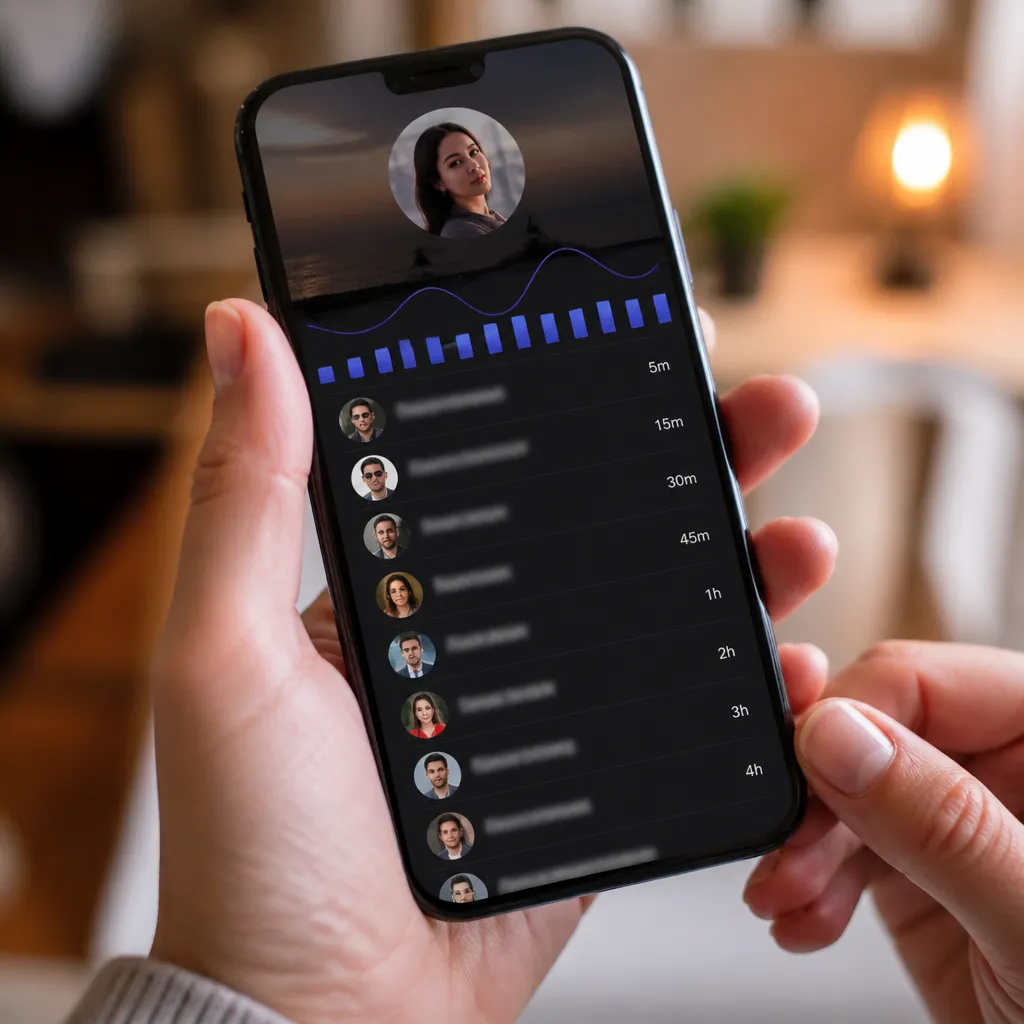
You can use these official tools to see your audience demographics, times of highest engagement, and types of content that generate the most interaction. While they do not identify specific visitors natively, they offer enough insights for most users.
For business and professional users, platforms such as HubSpot and Sprout Social offer social media management solutions that include detailed analytics. These tools work with official integration of the platforms, ensuring security and compliance with the terms of service. You pay for a reliable service that respects both your privacy and the policies of social networks.
Frequently Asked Questions About Profile Monitoring
Many questions arise when you decide to investigate applications to monitor profile. The first common question is: “Does Instagram really allow you to see who visited my profile?” The answer is no. Instagram, unlike Facebook, does not offer a native tool to view who visited your profile page. Any application that promises this does not have legitimate access to this information.
Another frequent question is: “Is it safe to use these applications?” Third-party applications requesting access to your account present considerable risks.You are essentially entrusting your access to a personal account to an external company, often without knowing how your data will be treated. The safest response is to avoid sharing your credentials with any unofficial application.
You might also ask yourself: “What platform offers better transparency about visitors?” LinkedIn is the clearest answer. LinkedIn officially offers the possibility to see who viewed your profile, and third-party apps can access this information more legitimately through APIs. If this functionality is critical to you, LinkedIn is the most suitable network.
An additional question is: “Agments that claim to use ‘AI’ are more reliable?” Using artificial intelligence does not make an application more secure or legitimate.Many dubious applications use the mention of AI and machine learning as a marketing strategy to look more advanced.You should evaluate the application by its terms of service, reputation and transparency, not just by the technology it claims to use.
Finally, you might ask: “Why do social networks not allow you to see visitors?” Platforms like Instagram and Facebook do not offer this functionality because it affects the user experience.If people knew they are being tracked every time they visit a profile, they would change their behavior on the network.In addition, this would create legal responsibilities regarding storage of tracking data.
Best Practices for Using Profile Data Safely
If you decide to work with any analytics application, it is critical to follow strict security practices. Never share your primary password with any third-party application, regardless of how reliable it looks. When possible, use dedicated application accounts or secondary passwords specific to each tool.
You should regularly review the permissions you have granted to apps connected to your social networks. On most platforms, there is a section of “Apps and Websites” or “Connected Apps” where you can view and revoke accesses. Clearing these permissions periodically reduces the risk of data exposure if one of these apps is compromised.
Always read the privacy policy and terms of service before using any new application. You need to understand how your data will be collected, stored and shared.If the policy is vague, obscure or unavailable, this is a clear sign that the application does not deserve your trust.
Always opt for officially integrated applications when available, especially for professional analysis.You will have better guarantees of security and legal compliance when you use tools that work with official authorization from platforms. Investing in paid solutions from established companies is often safer than using free applications of dubious origin.