App to Monitor Profile and View Visitors
Anúncios
Do you want to know who is visiting your profile on social networks? The possibility of monitoring these interactions has aroused interest in millions of users who seek to better understand your reach and engagement online. Several applications have emerged to offer these answers, but not all work as promised.
The truth is that many social media platforms do not reveal detailed information about visitors for privacy and security reasons. Understanding how these applications operate, their real limitations and the advanced strategies to optimize the monitoring of your profile is essential before choosing which tool to use. This article explores all this in depth, showing smarter ways to track your online performance.
How Profile Monitoring Apps Work
Apps that promise to reveal visitors to your profile often work through data analysis, public statistics, and in some cases, access permissions you grant when you log in. Each social platform has its own restrictions on what data can be accessed by third parties, and it is precisely in these limitations that many apps encounter their main challenges.When you allow an app to access your account, it collects available information about interactions such as likes, comments, shares, and followings.
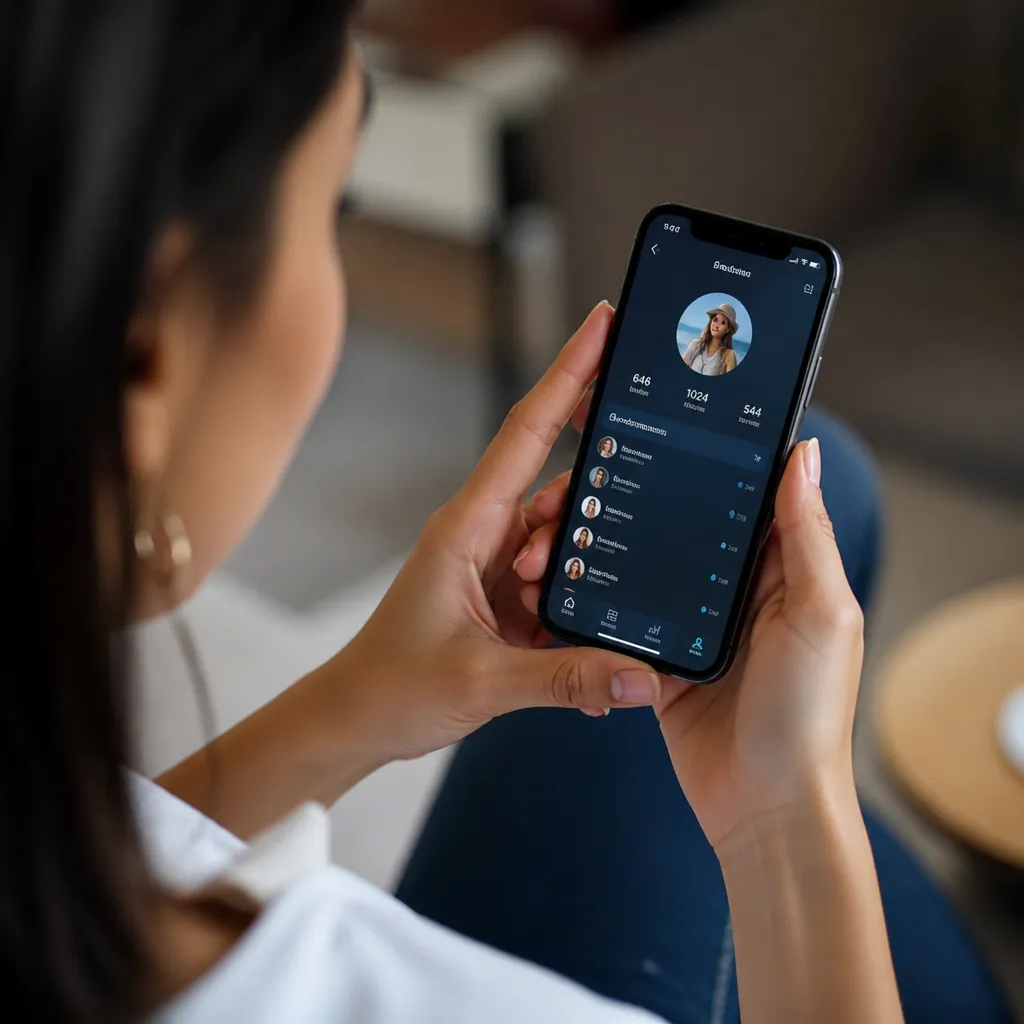
Most monitoring apps cannot identify who specific has visited your profile without interacting with your posts, especially on Instagram, TikTok, and Facebook. These platforms intentionally protect anonymous viewing data to preserve user privacy.However, these apps are able to track engagement patterns, show who most interacts with your content, and provide behavioral analytics about your audience.
Advanced Strategies to Optimize Monitoring
Rather than waiting for an app to reveal anonymous visitors, you can implement more efficient strategies that offer concrete data about people’s real interest in your content.The first strategy is to integrate multiple analytics tools simultaneously, not relying on a single platform.When you use native social network analytics (such as Instagram Insights or the YouTube dashboard) along with complementary apps, you can triangulate data and get a much more accurate picture of your audience.
Another advanced approach involves studying your audience’s behavior patterns over time, rather than focusing on isolated numbers of visitors. Set up in-app alerts for notifications when there are engagement spikes, new followers, or comments on your posts. This active monitoring allows you to quickly respond to opportunities for real connection with your audience.In addition, you can use app reports to identify which type of content generates the most views and interactions, adjusting your strategy accordingly.
Real Limitations You Need to Know
The first and most important limitation is that no application will be able to show a complete list of who visited your profile in a totally anonymous way, especially on platforms such as Instagram and Facebook. The APIs of these social networks simply do not provide this data, and any app that guarantees this is lying or collecting information by inappropriate methods. You should be wary of grand promises and understand that the available data is always partial and based on public interactions.
Another critical limitation is the time delay in the information provided by the applications, which often work with historical data and not in real time. In addition, many third-party applications require extensive permissions to access your account, which poses a security risk.If you do not verify who developed the application and whether it is a reliable company, you may be exposing your personal information to malicious actors. Always research the reputation of the application before granting access to your profile.
More Efficient and Safe Alternatives
Instead of relying solely on third-party apps, you should prioritize the native analytics tools offered by social platforms themselves. Instagram Insights provides robust data on who is visiting your profile, which posts generate the most impressions, and what period your audience is most active. YouTube Analytics provides detailed information on viewing time, traffic source, and demographics. These tools are most reliable because they come directly from the source.
If you want companion apps, choose those focused on posting scheduling, trend analysis, or community management, rather than focusing on identifying anonymous visitors. Tools like Linktree can help you drive traffic to different destinations and track clicks, offering an indirect but much more accurate way to understand who is interacting with your content.
Optimization of Your Profile Based on Collected Data
Once you are clear about what data can actually be collected, the next step is to use this information to intelligently optimize your profile. Analyze which types of content generate the most engagement and start producing more along that line, creating a positive cycle where your most engaged audience remains active on your profile. Use the peak times identified in the apps to schedule your posts, ensuring that your content reaches your followers when they are most active.
You should also create specific call-to-actions that encourage people to actually interact with your content, turning silent visitors into active followers and commenters. Ask something in captions, invite sharing, create surveys or challenges that motivate responses.The more real interaction your content generates, the more accurate data you will have about who really cares about what you are publishing, making profile monitoring much more meaningful than a simple list of names.
Security and Privacy when Using Monitoring Apps
Before authorizing any application to access your profile, you must follow strict security protocol by checking the requested permissions.If an app asks for access to post on your behalf, change your password or access your direct messages, refuse immediately.Many malicious applications try to obtain excessive permissions to sell data or use your account for spam. Always read the terms of service and privacy policy, even if it seems tedious, because these documents reveal how your data will be used.
You should also keep your browser and your device up to date, use strong and unique passwords for each social network, and consider enabling two-factor authentication on all your accounts.If you notice suspicious activity after authorizing an application, immediately revoke access in your account’s security settings.The golden rule is simple: no monitoring tool is worth compromising the security or privacy of your account.