See Who Visited Your Profile on Networks
Anúncios
Have you ever stopped to think about how many people view your profile on social networks daily? Many users seek tools to find out who is visiting your profile, but the reality behind these promises is much more complex than it seems. In this article, we will unravel the myths and truths about the applications that promise to reveal visitors on social networks.
Curiosity about who accesses our profiles is completely natural, and the internet is full of promising offers in this regard. However, many of these tools work quite differently than you might think, and some promises are simply false. Understanding how these applications actually work is essential not to waste time or, worse, compromise your digital security.
The Great Myth: Apps that Reveal Real Visitors
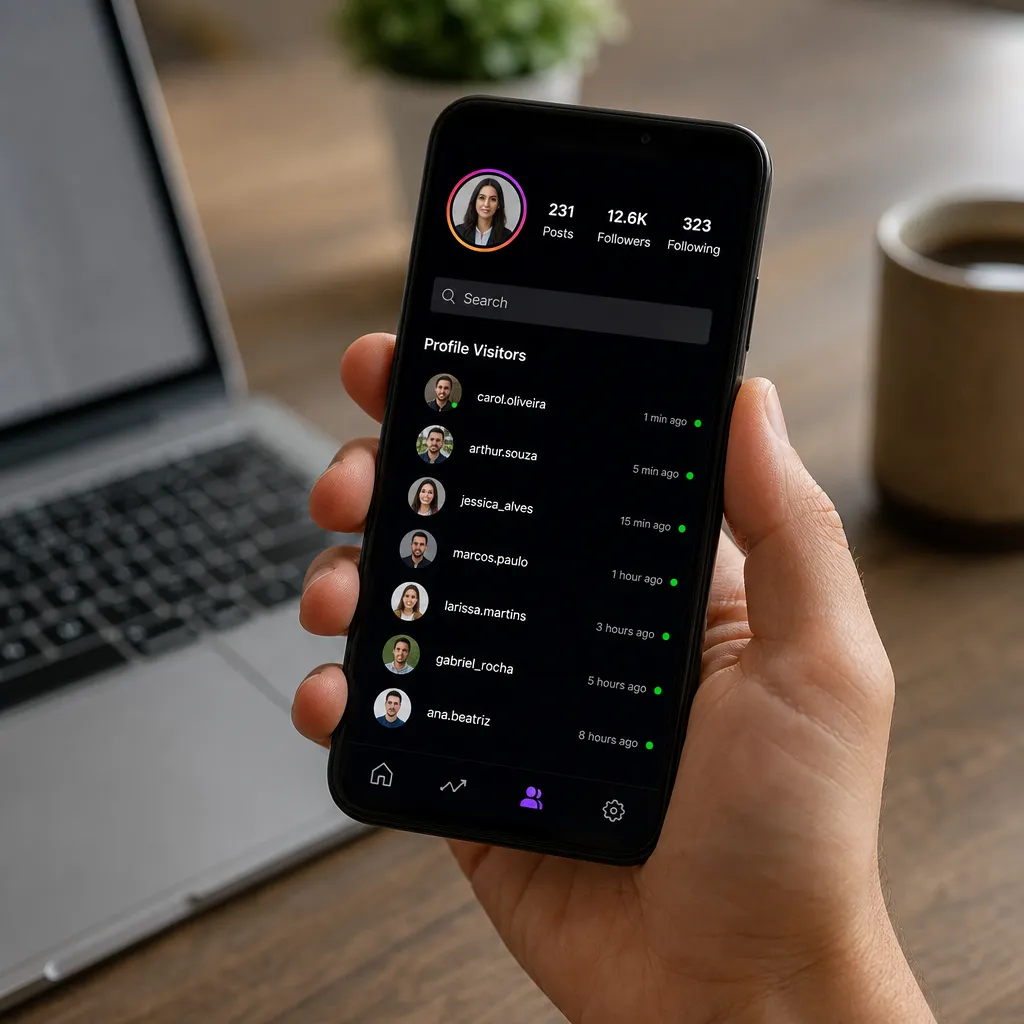
One of the biggest myths about social networks is that there are reliable applications that show exactly who visited your profile. The truth is that platforms like Instagram, Facebook and TikTok have never provided this information publicly or to third parties. These applications that promise this functionality simply do not have access to the data they claim to offer, as the social networks themselves do not make this information available.
What many of these apps do is collect generic data, generate random lists of users or, in some cases, simulate a result to look useful. You can download the tool, follow all the steps, and in the end find that the “visitors” listed are just random accounts or profiles that you already follow. This is the most common tactic used by developers who want to keep users engaged without delivering what they really promise.
The Truth: What Platforms Really Offer Natively
Instagram offers legitimate functionality for business accounts and creators: the statistics of Instagram Insights. This native tool shows how many people viewed your profile in a specific period, but does not identify who they are individually. It is a metric of volume, not identity, and is available for free directly in the official Meta application.
Facebook also makes similar metrics available for business pages, allowing you to see profile views in an overall chart.TikTok provides analytics data for professional accounts that show how many views your profile has received, but without revealing the specific names of visitors.
Why These Apps Promise the Impossible
Social media platforms protect users’ privacy very well, and revealing detailed information about who accesses each profile would violate strict data protection policies. Companies that own these networks have an interest in keeping their data safe because this is a competitive differentiator and a legal obligation. Any application that claims to have access to this data is actually operating outside the permitted limits.
Developers know this perfectly, but they keep creating these tools because they can monetize them through ads, premium charges or collecting data from users themselves.When you use these apps, you are often giving up permissions to access your personal information, which poses a real risk to your online safety.
The Real Risks of Using These Tools
By authorizing a third-party app to access your social media account, you may be granting dangerous permissions.Some of these apps request full access to your profile, historically from messages, friend list, and even payment data.If the app is untrustworthy, this information may be sold to third parties or used for phishing attacks against you and your contacts.
Another significant risk is that some of these applications may be infected with malware or be used for spam distribution. You may find yourself propagating suspicious links in your timeline or receiving unwanted messages from contacts who have also downloaded the tool.
In addition, many of these apps have dubious data retention practices. After using them, your data can remain on company servers for long periods, with no guarantees on how it will be used. This creates an ongoing risk of information leakage or identity theft months after you stopped using the tool.
How to Identify Suspicious Applications
An important warning sign is when an application promises features that the official platforms themselves do not offer. If Instagram does not show who visited your profile, no third-party app will be able to do this legitimately. Also check the reviews and comments in the application store, especially looking for complaints about lack of functionality or security.
Note carefully what permissions the app is asking for during installation. If an app that supposedly shows visitors asks for access to your microphone, camera, or contact list, this is extremely suspicious. The permissions requested must be directly related to the role the app promises to offer. Any additional permission is a red flag.
Legitimate Alternatives to Tracking Your Online Presence
If you are a content creator or have a brand, use the native analytical tools offered by the platforms themselves.Instagram Insights, Facebook Analytics, YouTube Studio and TikTok Analytics are free and provide accurate data on engagement, reach and audience behavior.
To monitor your online reputation more broadly, there are legitimate tools like Google Alerts and professional social media monitoring platforms that track brand mentions and hashtags.These solutions work transparently and do not solicit invasive access to your personal accounts.Investing in real professional tools is much safer and more effective than relying on empty promises.
The Importance of Protecting Your Credentials
Never share your password or login credentials with third-party applications, even if they seem harmless.This data is the keys to your account, and once compromised, it is virtually impossible to regain full control.Many applications ask to log in through your social network account to look more legitimate, but this does not guarantee absolute security.
If you have already used a suspicious application, the best immediate action is to change your password on the original platform and revoke the access of the tool in the security settings of your account. Most social networks allow you to see which applications are connected to your account and disconnect those that you do not recognize or trust anymore. This is a check that you should do regularly, at least once a month.
Curiosity about who accesses your profile is understandable, but sacrificing your digital security for this information is simply not worth it. Apps that promise to reveal specific visitors on social networks operate in a gray zone of technical and ethical viability. Understanding that these promises are mostly false or dangerous is the first step to protecting your online presence and your privacy. Trust the official tools, keep your credentials safe and always remember: if something seems too good to be true, it probably is.